herbaty cejlońskie
Ceylon Tea - what does it actually mean and what is Ceylon tea?
What does the label Ceylon Tea mean? We explain where Ceylon tea comes from, its varieties and flavor profiles, and what to look for when choosing it.
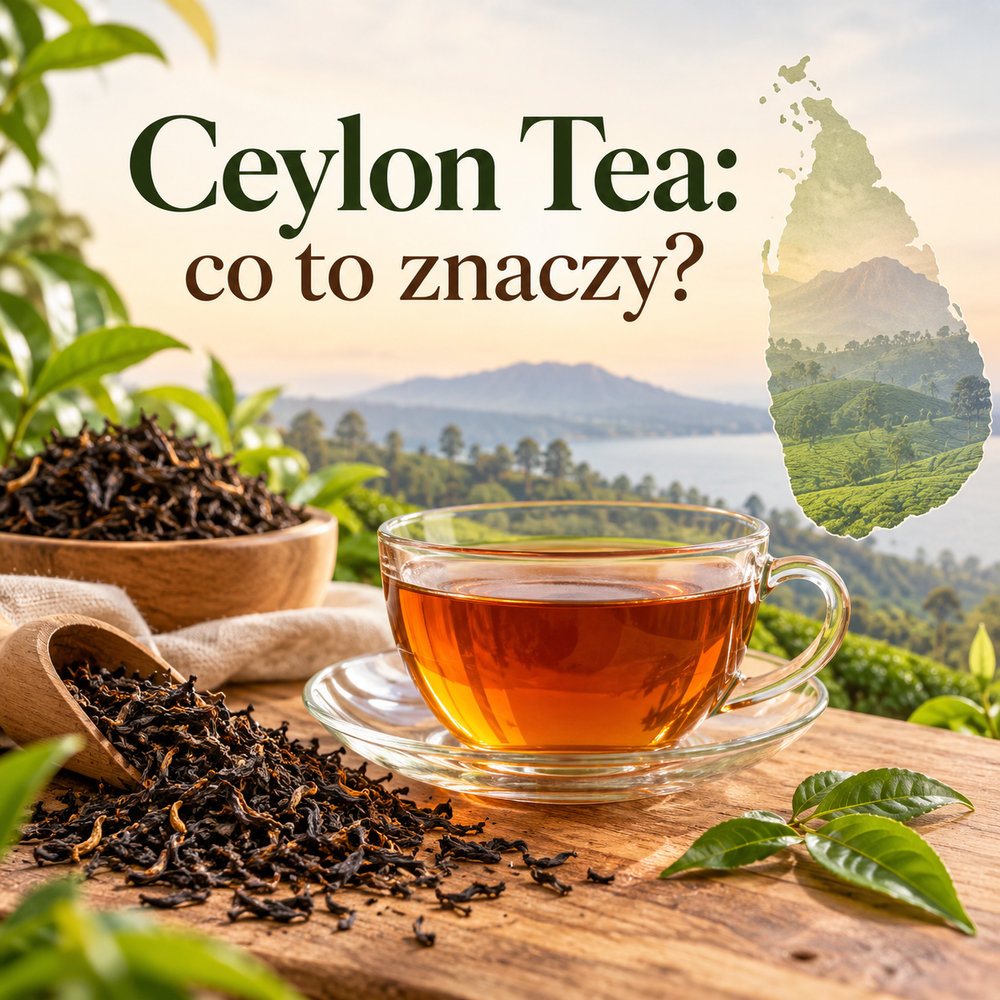
You can find the label Ceylon Tea on many tea packages, especially black tea. Ceylon is the former name of Sri Lanka, so the term refers primarily to the tea's origin from this island. It does not denote one specific taste, leaf grade, or brewing method.
Teas from Sri Lanka can vary quite significantly depending on the growing location, plantation altitude, harvest season, and processing method. They can be light and fresh, citrusy, dry, sweet, full-bodied, or strong. That is why the term Ceylon Tea should be treated as a starting point rather than a ready-made description of taste.
In brief
- Ceylon is the historical name for Sri Lanka.
- Ceylon Tea means tea originating from Sri Lanka, not one specific type of flavor.
- Ceylon black tea is the most well-known, but Sri Lanka also produces green, white, and other styles of tea.
- The profile of the infusion depends, among other things, on the region, cultivation altitude, harvest time, and the degree of leaf processing.
- When purchasing, it is worth reading the full product description, ingredients, and origin information instead of being guided solely by the "Ceylon" label.
Where did the name Ceylon come from?
For many years, the island known today as Sri Lanka operated under the name Ceylon. In 1972, the name Sri Lanka was officially adopted, but the term Ceylon remained very strongly associated with tea and is still commonly used in trade today.
Therefore, you may see both the name Sri Lanka as the country of origin and the term Ceylon Tea as the traditional name for tea from this island on the packaging. These are not two different places or two separate species.
Does every Ceylon tea taste the same?
No. Sri Lanka has a diverse climate and plantations located at different altitudes. This affects the growth rate of the leaves and the character of the finished infusion. Additionally, the tea bush variety, harvest season, oxidation level, and leaf sorting method are of immense importance.
Two teas described as Ceylon can therefore taste completely different. One may be bright, light, and fresh, while another is more full-bodied, malty, and intense. For this reason, it is best to compare specific products rather than assume that the label "Ceylon" defines a single flavor profile.

Ceylon black tea - the most famous style
The name Ceylon is most commonly associated with black tea. It is black teas from Sri Lanka that are widely available in both loose-leaf and tea bag form.
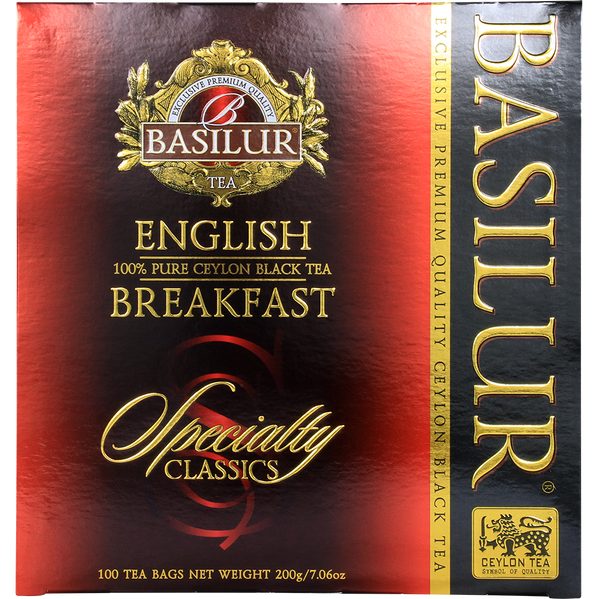
A good starting point is the collection of Ceylon teas, where you can compare different forms, brands, and styles. If you want to start with a classic loose-leaf tea, an example is Basilur Ceylon Premium black tea - 100 g.
Does Ceylon Tea have to be black tea?
No. Although black tea is the most recognizable product of Sri Lanka, green, white, and other styles of tea are also created on the island. The name "Ceylon" itself speaks to the origin, not the degree of leaf oxidation.
This is an important distinction when shopping. If you are looking for a specific type of tea, check the product name and ingredients. The label "Ceylon" does not replace information about whether the packaging contains black, green, or another type of tea.
How does Ceylon tea taste?
It is impossible to describe all Ceylon teas with one set of notes. In many black teas, you can find freshness, dryness, a citrusy character, slightly honeyed tones, or a more pronounced astringency. Others are fuller and stronger, making them taste good even with the addition of milk.
If you want to compare classic black teas in a similar category, an interesting example is Tipson Ceylon No.1 black tea - 85 g. Comparing several products prepared under the same conditions allows you to much better understand how broad the concept of Ceylon Tea is.
What influences the taste of tea from Sri Lanka?
Cultivation altitude
Plantations are located from lower, warmer areas to high-altitude mountain regions. Growing conditions affect the rate of leaf development and the aroma of the finished tea.
Harvest season
The weather in different parts of the island changes throughout the year. The same garden can produce batches with a slightly different character depending on the time of harvest.
Leaf size/grade
Whole leaves, broken leaves, and smaller material steep at different rates. Finer tea usually produces an intense infusion faster, so it is worth controlling the steeping time.
Processing method
Withering, rolling, oxidation, and drying have a direct impact on the aroma. Even leaves from the same region can produce different results depending on the production method.

Loose-leaf or in bags?
Both forms can be a good choice, but they serve slightly different needs. Loose-leaf tea provides more control over the amount of tea used and is well-suited for comparing leaf appearance. Bags are convenient for work, travel, and when you want to quickly prepare a single cup.
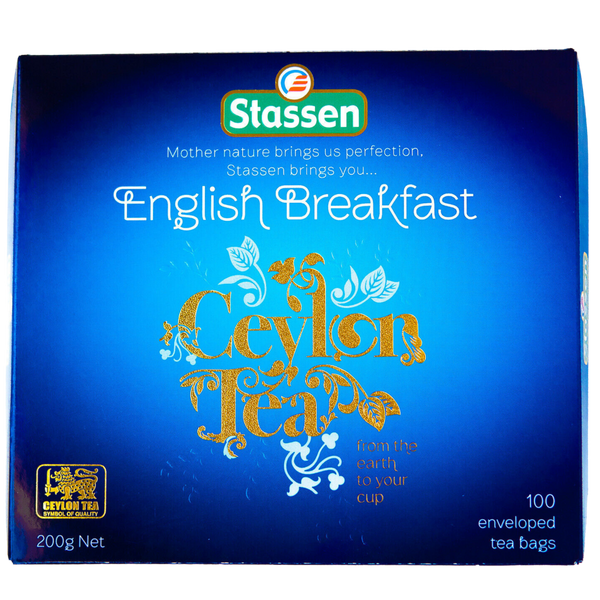
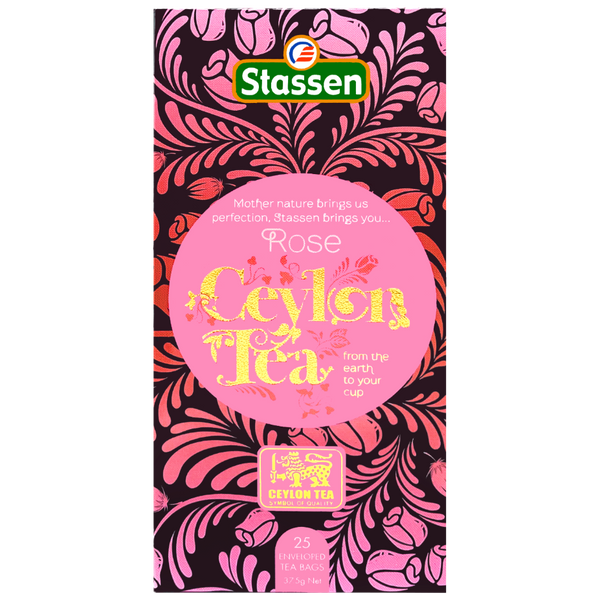
An example of a convenient portioned version is Stassen Pure Ceylon black tea bags - 25 x 2 g. Conversely, with the loose-leaf version, it is easier to experiment with weight and steeping time.
How to brew Ceylon black tea?
The safest starting point is always the recommendations on a specific package, as small leaves and large leaves may require different times. In practice, black tea is usually steeped with hot water for several minutes.
If the infusion turns out too astringent, first shorten the steeping time instead of lowering the temperature by several dozen degrees. If it is too delicate, you can slightly increase the amount of tea. It is worth changing only one parameter at a time to easily evaluate the effect.
Is Ceylon tea suitable for milk and lemon?
That depends on the specific tea. Stronger, fuller-bodied black teas often pair well with milk. For lighter and fresher profiles, it is worth trying them without additions first to get to know their natural character.
Lemon clearly changes the taste and acidity of the infusion, so it is also best added only after tasting the tea plain. There is no single rule for the entire Ceylon Tea category.
How to recognize good Ceylon tea?
Instead of looking for one magic designation, pay attention to several pieces of information together:
- whether the producer clearly states the country of origin,
- what the type of tea is,
- whether the ingredients are simple and whether any additions are clearly described,
- what the leaf form is,
- whether the packaging protects the tea well from moisture, light, and odors,
- whether the product description provides specific information instead of just general slogans.
It is also worth checking several teas side by side. Basilur Ceylon Original black tea - 100 g could be a good second point of comparison after a more classic Premium version.
Ceylon Tea vs. Indian tea
Teas from Sri Lanka and India are often compared, but both countries produce a very wide range of styles. Therefore, you cannot say that every Ceylon tea is more delicate or stronger than every Indian tea.
If you want to compare origins more broadly, the article Ceylon tea vs. Indian tea: how do they differ and which one to choose? will be helpful. Such a comparison is best made using specific products, brewed under similar conditions.
FAQ
Do Ceylon and Sri Lanka mean the same place?
Yes. Ceylon is the former name of the island and country known today as Sri Lanka. In the world of tea, the term Ceylon has remained in common use.
Is Ceylon Tea a species of tea?
Not in the same sense as black, green, or white tea. Ceylon indicates primarily an origin from Sri Lanka.
Is Ceylon tea always strong?
No. You can find both light and fresh profiles as well as stronger, fuller teas. A lot depends on the region, cultivation altitude, season, and processing.
Can Ceylon Tea be green?
Yes. Sri Lanka produces more than just black tea. You can also find green teas from this island on sale.
Which Ceylon tea should I choose to start?
A good start is a classic black tea without additions. This makes it easier to get to know the basic character of the leaves and later compare versions with flavorings, spices, or other additions.
Summary
Ceylon Tea is primarily information about the origin of the tea from Sri Lanka. It is not one taste or one recipe. Different plantations, altitudes, seasons, and production methods create a very wide range of infusions.
If you want to get to know this category in practice, start with simple teas without additives and compare several products from the collection of Ceylon teas. Brew them in a similar way and note the differences in aroma, astringency, color, and intensity. This will tell you much more about Ceylon Tea than the label on the packaging alone.