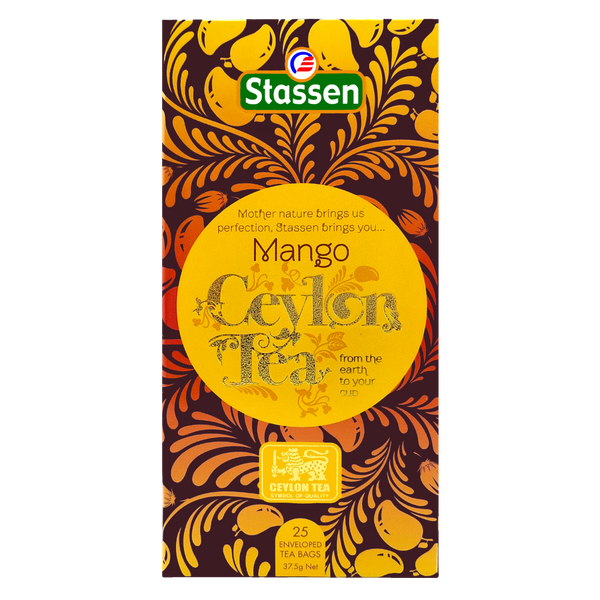
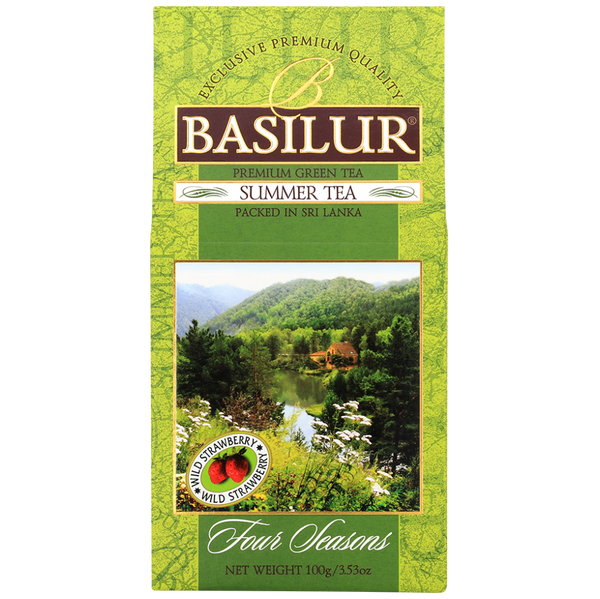
cold brew
How to Prepare the Perfect Iced Tea: A Practical Step-by-Step Guide
Homemade iced tea can taste much better than ready-made store-bought drinks. Learn how to prepare the perfect iced tea step-by-step, which teas work best, what differentiates classic iced tea from cold brew, and what additions will enhance the taste and aroma of your brew. Discover proven proportions, brewing temperatures, and practical tips to prepare a refreshing drink for any summer occasion.

Summer is the perfect time to discover tea in a whole new light. Well-prepared iced tea not only refreshes effectively but also allows you to fully appreciate the natural flavor of high-quality leaves and additions. Unlike many store-bought ready-to-drink beverages, homemade iced tea contains no excess sugar and can be prepared exactly to your own preferences.
In this guide, you will learn how to prepare the perfect iced tea, which types of tea work best, and which additions will bring out even more aroma from your brew.
How to prepare the perfect iced tea? A quick answer
You can make the perfect iced tea using good quality loose-leaf tea, brewing it a bit stronger than usual, and then cooling it completely before adding ice. Fresh fruit, mint, citrus, and properly balanced proportions will ensure the drink is intense, aromatic, and refreshing even on the hottest days.
Key points
- loose-leaf tea yields the best results
- the brew should be stronger than for hot consumption
- add ice only to chilled tea
- fresh fruit and herbs highlight the natural flavor
- it is recommended to consume the tea within 24 to 48 hours
Why should you prepare homemade iced tea?
Ready-made iced teas often contain significant amounts of sugar, flavorings, and preservatives. By preparing the drink yourself, you have full control over its flavor and ingredients.
Homemade iced tea allows you to:
- reduce the amount of sugar,
- use high-quality tea,
- create your own flavor combinations,
- adjust the intensity of the brew,
- prepare a larger quantity of the drink for the whole family.
Moreover, one serving of good loose-leaf tea is often enough to prepare several glasses of an aromatic drink.
Conclusion: Homemade iced tea is tastier, more natural, and offers almost unlimited possibilities for creating your own compositions.
See teas specially selected for Iced Tea - click to view

Which teas are best suited for making iced tea?
Not every tea tastes the same once chilled. Temperature changes the way aroma is perceived, which is why it is worth choosing the right type of loose tea.
| Type of tea | Brew character | Best additions | Recommended for cold brew |
|---|---|---|---|
| Black | intense | lemon, peach, raspberries | Yes |
| Green | fresh | lime, mint, cucumber | Yes |
| White | delicate | strawberries, grapes, melon | Yes |
| Fruit | sweet and aromatic | orange, raspberries | Yes |
| Rooibos | naturally sweet | vanilla, orange | Yes |
Black tea
This is a classic choice for preparing iced tea. It goes well with citrus, stone fruits, and honey.
Green tea
Works great during hot weather thanks to its fresh character. It is worth pairing with lime, mint, or cucumber slices.
White tea
Its subtle taste is best highlighted by light fruits, such as strawberries or peaches.
Fruit teas
This is an excellent choice for people looking for a caffeine-free drink with a distinct aroma.
Rooibos
Naturally caffeine-free, it tastes good to both adults and children.
Conclusion: To prepare iced tea, it is best to choose high-quality loose-leaf teas that retain their full aroma even after cooling.
How to prepare the perfect iced tea step by step?
1. Choose a good tea
Loose-leaf tea works best. Larger leaves contain more natural essential oils and retain aroma better.
2. Prepare a stronger brew
During cooling and after adding ice, the flavor becomes milder.
A good solution is to use about 20 to 30% more loose tea than when preparing hot tea.
3. Brew according to recommendations
- black tea: 95°C for 3 to 4 minutes,
- green: 70 to 80°C for 2 to 3 minutes,
- white: 75 to 80°C for about 3 minutes,
- rooibos: 95°C for 5 minutes.
4. Cool the brew
Do not add ice to boiling water.
First, let the tea reach room temperature, then cool it in the refrigerator.
5. Add ice
Only pour the cooled brew into a glass filled with ice cubes.
This way, the ice will not dilute the drink as quickly.

Iced tea or cold brew?
The cold brew method—brewing tea exclusively in cold water—is gaining popularity.
| Iced Tea | Cold Brew |
|---|---|
| brewed with hot water | brewed with cold water |
| ready in about an hour | ready in 6 to 12 hours |
| more intense aroma | more delicate taste |
| more noticeable bitterness | very mild brew |
Cold brew works best for green, white, and fruit teas.
If you plan to prepare the drink the day before, it is worth trying this method.
Conclusion: Classic iced tea is faster, while cold brew provides an exceptionally delicate and natural taste.
Which additions go best with iced tea?
Additions can completely change the character of the drink.
The best choices are:
- lemon,
- lime,
- orange,
- fresh mint,
- lemon balm,
- basil,
- raspberries,
- blueberries,
- strawberries,
- peaches,
- mango,
- watermelon.
Discover collections of citrus teas perfect for cold consumption.
You can also use:
- honey,
- maple syrup,
- agave syrup,
- elderflower syrup.
Interesting combinations
- green tea + lime + mint,
- black tea + peach,
- fruit tea + raspberries,
- rooibos + orange + vanilla,
- white tea + strawberries.
Most common mistakes when preparing iced tea
Adding ice to a hot brew
The ice melts quickly and dilutes the flavor.
Steeping for too long
Causes excessive bitterness, especially in green teas.
Low tea quality
When cold, it is even easier to notice a lack of aroma.
Too much sugar
Excessive sweetening masks the tea's natural flavor.
Too little ice
A few cubes will melt quickly. It is better to fill the glass with ice almost to the halfway point.
Conclusion: The most significant impact on flavor comes from properly brewed tea and thorough cooling of the brew.
How to choose the best tea for making iced tea?
If you are just starting your adventure with iced teas, it is worth following your own taste preferences.
For beginners
- fruit teas,
- classic black Ceylon tea.
For freshness lovers
- green Sencha,
- green tea with citrus.
For cold brew
- white tea,
- green tea,
- rooibos.
For summer gatherings
- aromatic fruit blends,
- black tea with peach or mango.
Recommended products
If you plan to prepare iced tea regularly, check out the following categories:
Categories
Summary
The perfect iced tea does not require complicated ingredients. The most important thing is using good quality tea, brewing the infusion correctly, and cooling it thoroughly before adding ice.
Remember a few rules:
- choose loose-leaf tea,
- prepare a stronger brew,
- do not drop ice into hot tea,
- experiment with fruits and herbs,
- try the cold brew method.
Thanks to these tips, you will prepare a drink that is aromatic, refreshing, and perfect for summer days.
If you are looking for teas ideal for preparing iced tea, check the selection of loose-leaf teas, fruit blends, and brewing accessories available in the store.