Earl Grey
Earl Grey teas - how to choose the best flavor and what are the differences between individual variants?
Earl Grey is one of the most distinctive teas in the world. Find out how individual varieties differ and how to choose the best bergamot tea for yourself.
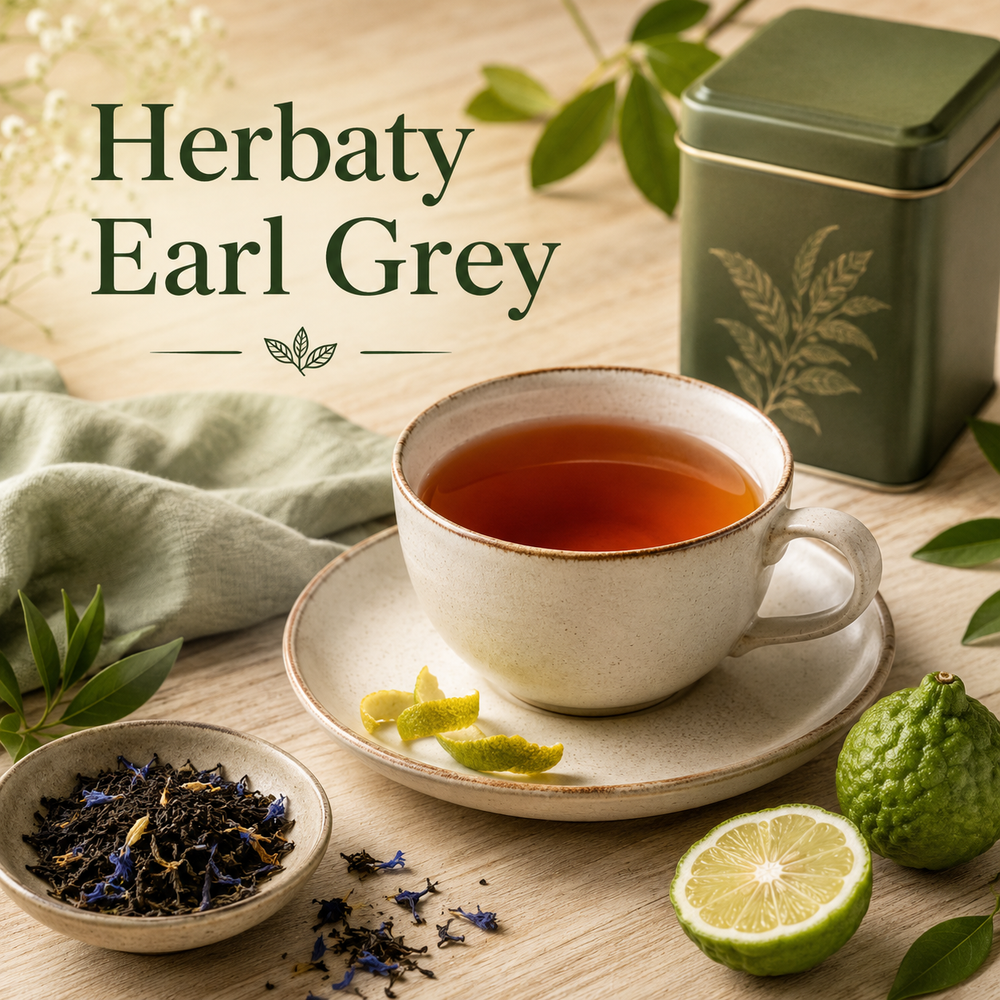
Earl Grey is one of the most recognizable teas in the world. Its characteristic aroma of bergamot makes it difficult to confuse with any other blend. For some, it is an everyday tea for work; for others, an elegant ritual for a quiet afternoon.
In this guide, you will learn what Earl Grey actually is, what the most popular variants of this tea are, and how to choose the flavor best suited to your preferences. We will also advise on how to brew Earl Grey properly to extract its full aroma.
Earl Grey is black tea flavored with oil from bergamot, a citrus fruit with a fresh, slightly floral aroma. The classic version is intense and expressive, while modern variants with lavender, vanilla, or green tea offer milder and more dessert-like flavor profiles.
Key information
- Earl Grey is most often black tea with the addition of bergamot
- the taste is citrusy, fresh, and slightly floral
- it is best brewed at a temperature of 90-95°C
- the standard brewing time is 2-4 minutes
- Earl Grey comes in classic, vanilla, lavender, and green versions
- loose-leaf versions usually offer a more complex aroma
- it works well both in the morning and in the afternoon
What is Earl Grey tea?
Earl Grey is a blend of tea flavored with bergamot oil. The base is most often classic black tea, although today one can also find variants based on green tea, rooibos, or premium blends.
It is the bergamot that is responsible for the characteristic fresh aroma, which for years has been associated with elegant British-style tea.
Classic Earl Grey has:
- a distinctive citrus aroma
- a slightly floral character
- delicate freshness
- medium or high intensity
A well-prepared Earl Grey is both aromatic and balanced. It should not be overly bitter or excessively perfumed.
👉 Conclusion: Earl Grey is distinguished by a fresh citrus aroma and an elegant character, which makes it remain one of the most popular teas in the world.
Where does the bergamot aroma come from?
Bergamot is a citrus fruit grown mainly in Italy. It looks like an orange or a lime, but it has a more dry and intense aroma.
Oil from the bergamot peel is used to flavor teas. It is this oil that gives Earl Grey its characteristic flavor profile.
What does bergamot taste like?
The aroma of bergamot can be described as:
- fresh
- citrusy
- slightly floral
- subtly bitter
- elegant and crisp
In higher-quality teas, the aroma is natural and well-integrated with the base tea. Cheaper blends tend to be sharper and one-dimensional.
👉 Conclusion: the quality of the bergamot has a huge impact on the final taste of Earl Grey tea.
What are the types of Earl Grey teas?
Although the classic version remains the most popular, today Earl Grey comes in many flavor variants.
Classic Earl Grey
This is the most traditional version based on black tea and a distinct bergamot aroma.
For whom?
- for those who like intense teas
- for breakfast and work
- for fans of classic flavors
A good choice would be:
Earl Grey with lavender
Lavender softens the citrus character of bergamot and gives the tea a more relaxing profile.
Taste:
- more floral
- more delicate
- calmer
For whom?
- for the evening
- for people who like aromatic teas
- for a calm drinking ritual
A good example would be:
Vanilla Earl Grey
This is a more dessert-like take on the classic tea.
Characteristics:
- milder
- slightly creamy
- less intense
It works well:
- for beginners
- as a tea for sweets
- for people who don't like strong bitterness
Green Earl Grey
In this version, the base is green tea instead of black.
The effect?
- lighter taste
- greater freshness
- less intense character
This is a good option for people who:
- prefer green teas
- are looking for more delicate infusions
- drink tea all day
A good example is:
Premium loose-leaf Earl Grey
Premium loose-leaf blends usually offer:
- larger tea leaves
- a more natural aroma
- a deeper flavor profile
- better control over brewing
A good example is:
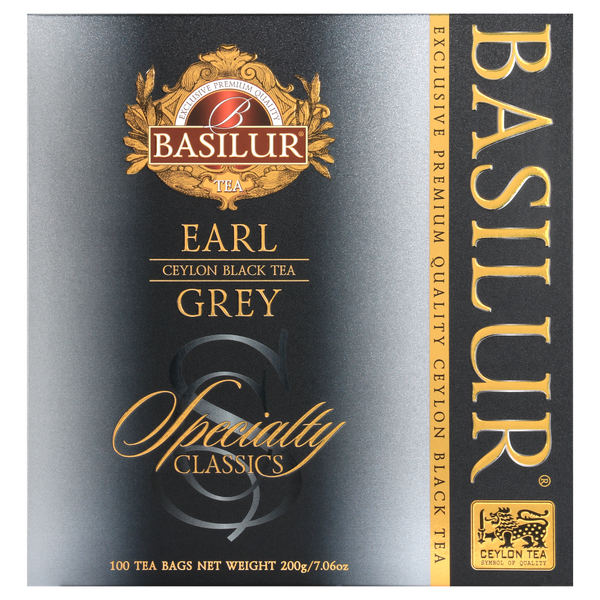
- Basilur Persian Earl Grey - a more elegant and complex variant of the classic Earl Grey.
👉 Conclusion: various Earl Grey variants allow you to adapt the tea to both daily drinking and a calmer tasting ritual.

Comparison table for Earl Grey teas
| Type | Taste | Intensity | For whom |
|---|---|---|---|
| Classic Earl Grey | citrusy and expressive | high | lovers of classics |
| Earl Grey Lavender | floral and milder | medium | evening relaxation |
| Earl Grey Vanilla | creamy and dessert-like | mild | beginners |
| Green Earl Grey | fresh and light | medium | fans of green teas |
| Earl Grey Premium | complex and elegant | medium/high | connoisseurs |
Loose-leaf or bagged Earl Grey?
This is one of the most common questions when choosing tea.
Bagged teas
Advantages:
- convenience
- quick preparation
- a good solution for work
- easy dosing
This is a great option for people who:
- drink tea every day
- are looking for convenience
- are just starting to learn about Earl Grey
Loose-leaf Earl Grey
Loose-leaf teas usually offer:
- a richer aroma
- greater depth of flavor
- the ability to regulate intensity
- a more aesthetic brewing experience
This is a good choice for:
- people who enjoy the brewing ritual
- fans of premium teas
- people looking for more complex flavors
👉 Conclusion: bags provide convenience, and loose-leaf Earl Grey usually offers a more complex and natural aroma.
How to brew Earl Grey tea?
Proper brewing has a huge impact on the taste. Even a good tea can become bitter or too heavy if it is brewed incorrectly.
Water temperature
Best temperature:
- 90-95°C
Water that is too boiling can make the tea become aggressive and bitter.
Brewing time
Recommended time:
- 2-4 minutes
Shorter brewing:
- more delicate taste
- more freshness
Longer brewing:
- stronger infusion
- greater bitterness
Should you add milk or lemon?
Classic Earl Grey pairs well with:
- a slice of lemon
- milk
- honey
However, more delicate premium varieties often taste best on their own.
👉 Conclusion: a well-brewed Earl Grey should be aromatic, fresh, and distinct, but not overly bitter.

How to choose the best Earl Grey tea?
The choice depends primarily on your preferred tea-drinking style.
Pay attention to the bergamot intensity
Some blends are:
- fresh and light
- very citrusy
- more floral
- subtler
If you are just starting out:
→ choose a milder version.
If you like bold teas:
→ go for a classic premium Earl Grey.
Choose the right form
For work:
- bags
For a peaceful ritual:
- loose-leaf tea
As a gift:
- elegant tins and sets
Match Earl Grey to the occasion
For work
The best options are:
- classic Earl Grey
- convenient envelopes
- more invigorating blends
For the evening
Better choices would be:
- Earl Grey Lavender
- milder versions
- teas with a more floral character
For beginners
A good choice:
- vanilla Earl Grey
- milder blends
- high-quality classic bags
For connoisseurs
Ideally:
- premium loose-leaf Earl Grey
- blends with natural bergamot
- teas with a more complex aroma
👉 Conclusion: the best Earl Grey is one that fits your drinking style, experience level, and occasion.
Most common mistakes when brewing Earl Grey
Steeping for too long
This is the most common problem. The tea then becomes:
- bitter
- heavy
- too tannic
Using boiling water for delicate blends
Some premium variants taste better at a slightly lower temperature.
Too much dry tea
More tea doesn't always mean better flavor. It often leads to excessive intensity.
Improper storage
Earl Grey easily loses its aroma.
It is best to store it:
- in an airtight container
- away from light
- away from moisture
👉 Conclusion: the problem is usually not the tea itself, but the way it is prepared and stored.
Categories worth checking out
👉 Black teas
👉 Earl Grey teas
👉 Loose-leaf teas
👉 Teabags
Summary
Earl Grey is a tea that has remained a symbol of an elegant and aromatic brew for years. Thanks to its various variants, it is easy to match to your own preferences and occasions.
Key takeaways:
- classic Earl Grey is bold and citrusy
- versions with lavender or vanilla are milder
- loose-leaf blends usually offer a richer aroma
- proper brewing has a huge impact on the taste
If you are looking for a tea with a characteristic aroma and universal appeal, Earl Grey remains one of the best choices both for every day and for more peaceful moments with a cup of tea.