Tea knowledge center
English Breakfast, Earl Grey and English Afternoon - how do they differ?
English Breakfast, Earl Grey, or English Afternoon? Discover the differences in taste, bergamot aroma, strength, and the selection of black teas for various occasions.
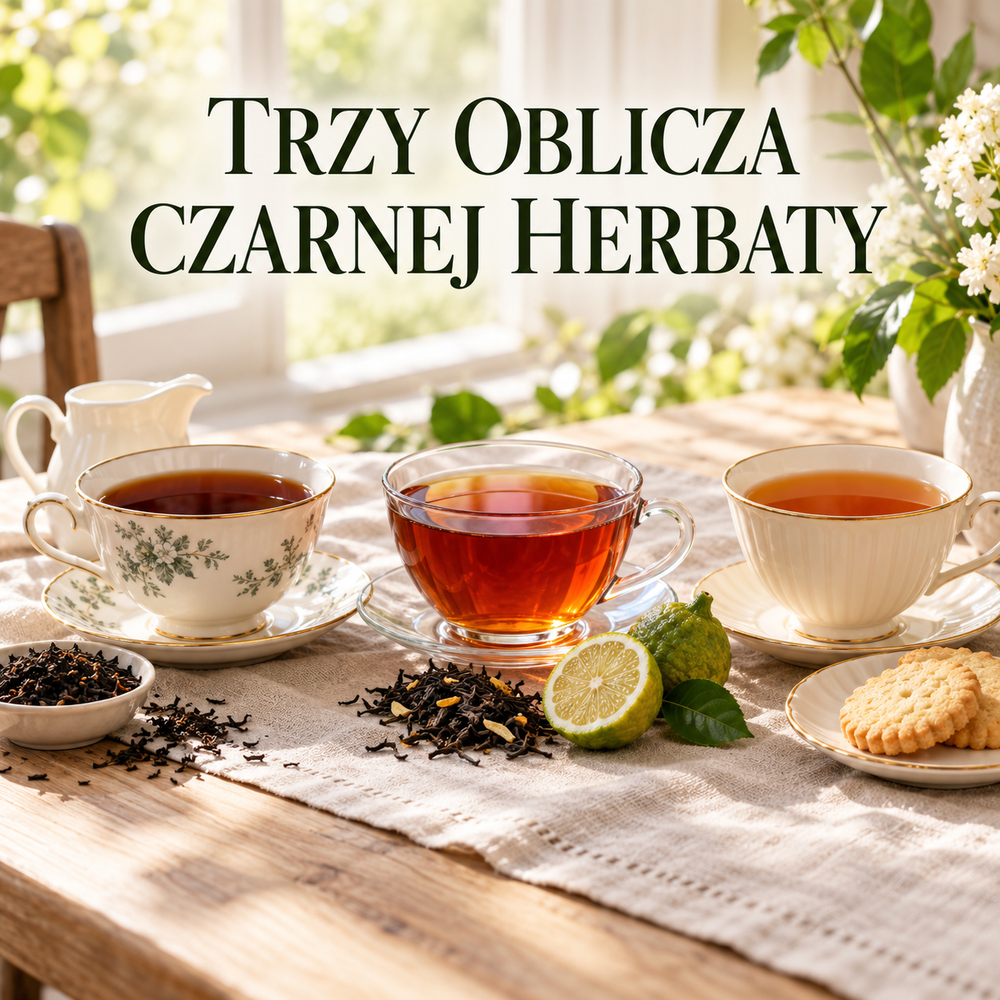
English Breakfast, Earl Grey and English Afternoon are three names you will often find on black tea boxes. However, they do not refer to the same blend. English Breakfast is usually full-bodied and bold, Earl Grey is distinguished by its bergamot aroma, and English Afternoon is usually a milder option, intended for a relaxing break. The differences relate primarily to the blend and flavor profile, rather than a strict time of day when you are allowed to drink the infusion.
The most important thing is that these names are not technical standards with a single mandatory composition. English Breakfast from two brands can taste different, just as two versions of Earl Grey can. Therefore, before purchasing, it is worth comparing the blend description, aromas, and your favorite way of drinking tea.
In short - which of the three teas should you choose?
- English Breakfast: if you like bold black tea, often with milk.
- Earl Grey: if you want a distinct, citrusy bergamot note.
- English Afternoon: if you are looking for a classic black tea with a more balanced, often gentler character.
- The most important difference: you will recognize Earl Grey primarily by its bergamot, while Breakfast and Afternoon are names for a flavor profile and drinking occasion, which may vary depending on the manufacturer.
What is English Breakfast?
English Breakfast is a term for a traditional style of breakfast tea. It is most often a black tea or a blend of black teas selected to produce a full, bold infusion. Different recipes may include leaves from Ceylon, Assam, or other regions. Not every English Breakfast has to be a blend, and the English part of the name does not indicate the country where the leaves are grown.
The classic profile is often described as strong, malty, or slightly tart. A well-prepared infusion should have a distinct flavor even when you add a little milk. However, you do not need to add anything to appreciate this style. Drinking English Breakfast without additions makes it easier to notice the character of the leaves themselves.
When is it worth choosing English Breakfast?
It is a good choice for people who like a traditional, bold flavor. If you drink tea with sandwiches, eggs, or another breakfast and are not looking for perfumed additions, English Breakfast will be an intuitive choice. It also works well for work, especially if you want a consistent character for your daily infusion.
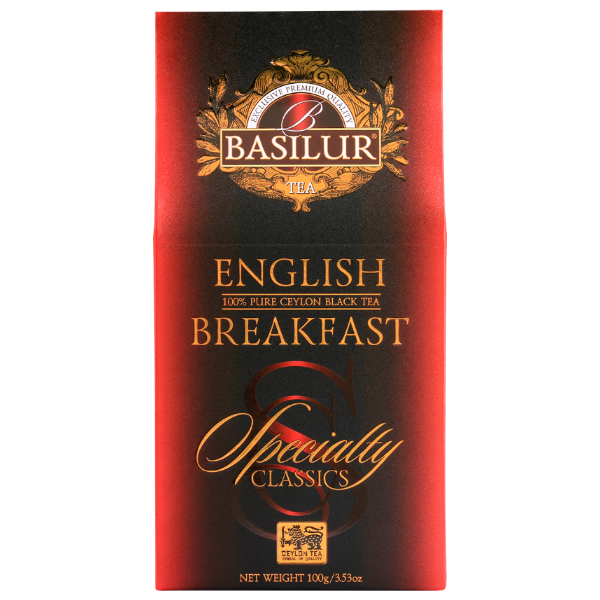
A concrete example is Basilur English Breakfast Black Tea - 100 g. In the current catalog, it is described as a Ceylon black tea with a full and bold profile. This is an important clue: in this case, the name refers to the style, and the raw material is associated with Sri Lanka.
What makes Earl Grey stand out?
Earl Grey is one of the most recognizable flavored teas. Its characteristic feature is bergamot, a citrus fruit whose scent is often described as fresh, slightly floral, and elegantly perfumed. The base is most often black tea, although green tea versions and other interpretations are also available on the market.
Unlike classic English Breakfast, in Earl Grey, the citrus note is the element that buyers most often expect. It can be subtle or intense. Sometimes the manufacturer uses bergamot oil, flavoring, or a blend of flavorings. It is worth reading the ingredients instead of assuming that every Earl Grey tea has the exact same type of addition.
Is Earl Grey suitable for breakfast?
Yes. The name Earl Grey does not restrict the time of drinking. It is still usually a black tea containing caffeine. For people who like a citrusy accent, it can be a daily morning choice. Someone else may prefer it after lunch, when they want a more aromatic infusion without dessert.
For comparison, take Basilur Earl Grey Black Tea - 100 g. The manufacturer indicates Ceylon black tea and bergamot flavoring. During tasting, smell the infusion before the first sip and try to separate the citrus scent from the flavor of the black tea itself.
If you also want to discover lavender, vanilla, and other interpretations, read the guide about different versions of Earl Grey.
English Afternoon - how does it differ from English Breakfast?
English Afternoon is a name for a style referring to the British tradition of afternoon tea. Usually, it is expected to have a harmonious, not too heavy profile. However, it is not true that English Afternoon by definition does not contain caffeine or that it always has exactly half the intensity of English Breakfast.
In practice, everything depends on the raw material and the manufacturer's recipe. Two teas labeled "Afternoon" can be as different as different breakfast blends. On the store shelf, compare them by flavor description, form of the tea, and composition, not solely by the name.
When is English Afternoon a good choice?
When you feel like a black tea but are not looking for a very strong, malty accent, it is worth starting with this style. It often pairs well with a light cake or biscuits, but it can also accompany a quiet break with a book. It is a proposal for people who appreciate classics without strong aromatic additions.
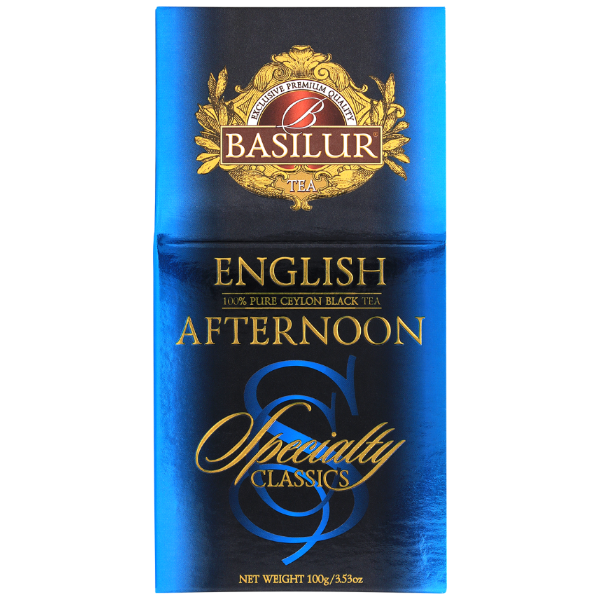
An example is Basilur English Afternoon Black Tea - 100 g. According to the product description, it is a Ceylon black tea with a more balanced and gentler character than bold breakfast blends. Pay attention to the difference in aftertaste compared to English Breakfast from the same brand.
English Breakfast, Earl Grey and English Afternoon - table of differences
| Feature | English Breakfast | Earl Grey | English Afternoon |
|---|---|---|---|
| Most characteristic feature | Full, classic profile | Bergamot aroma | Balanced style |
| Typical base | Black tea or blend of black teas | Most often black tea | Usually black tea |
| Flavor | Often bold, malty | Citrusy-tea | Often gentler and harmonious |
| With milk | Often a very good choice | Depends on taste and bergamot intensity | Can match, but it is not a rule |
| Caffeine | Usually present | Usually present | Usually present |
| Best for | Fans of bold black tea | Lovers of citrus aromas | People looking for a calmer profile |
The table describes the style, not the laboratory-established parameters of each blend. If the manufacturer provides a different description of a specific product, you should follow its composition and recommendations.

Which tea is the strongest and does "strong" mean "with more caffeine"?
English Breakfast often seems stronger in flavor than English Afternoon, but this does not automatically mean the highest caffeine content. Color intensity, bitterness, and maltiness are sensory impressions. Caffeine content also depends on the amount of leaves, their type, the portion of water, and the brewing method. A darker cup is not a reliable measure of the number of milligrams of caffeine.
Earl Grey based on black tea also contains caffeine. Bergamot adds aroma, it does not remove caffeine from the infusion. If you are looking for a caffeine-free evening drink, you need to choose a different type of infusion, such as pure rooibos. The word "Afternoon" alone does not guarantee the absence of a stimulating ingredient.
How to brew these three teas to fairly compare their flavor?
- Prepare similar cups and the same water.
- Measure the appropriate portion of dry tea for each tea. For loose leaf black tea, a starting point can be about 2-3 g per 200-250 ml, but the manufacturer's recommendation takes precedence.
- Use water at the temperature recommended on the packaging, usually close to 90-100°C for classic black teas.
- Set a timer. At first, choose a similar time within the manufacturer's guidelines, often around 2-4 minutes.
- After the time has elapsed, separate the leaves or bag from the infusion. Do not leave the infuser for another dozen minutes.
- First, try each tea without sugar, lemon, and milk. Only then check your favorite additions.
It is not about finding an objective winner. Write down which tea has the fullest body, which has the most pleasant aroma, and which tastes best on the second sip. This way, it is easier to choose a product for your daily routine.
Is loose leaf tea, tea bags, or tea envelopes better?
The packaging form affects convenience of preparation above all, and does not determine the entire quality. Loose leaf tea gives control over the portion of dry tea and the space for it to expand. A tea bag is quick when you are brewing one cup. An envelope additionally helps separate individual portions during storage.
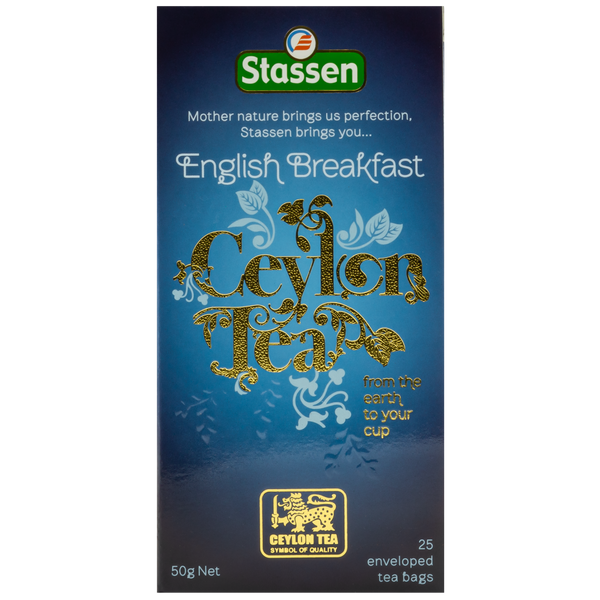
If you like checking differences in aroma, start with the loose leaf versions of the three Basilur teas. If you care about convenience at work, you can also compare Stassen English Breakfast Black Tea Envelopes - 25 x 2 g. This is an example of a classic breakfast profile in portions.
In the black tea collection, you will find both loose leaf options and convenient forms for quick brewing. When buying, always check the actual weight and number of portions.

What about English Breakfast and Earl Grey from other brands?
It may turn out that English Breakfast from one brand tastes milder than another. Similarly, Earl Grey differs in aroma intensity and the character of the tea base. For example, Kingsleaf Earl Grey Black Tea - 100 g is another available option of classic Ceylon black tea with bergamot. Comparison with the Basilur version can be an interesting exercise.
However, it is not worth drawing the conclusion from a single test that the entire brand is better or worse. A more useful assessment sounds: "this version has a stronger bergamot aroma" or "this Breakfast is more pleasant for me with milk".
Which tea to choose for breakfast, dessert, and work?
For breakfast
If you need a classic, bold tea, choose English Breakfast. At breakfast with milk or a hearty meal, its fuller flavor is particularly well received. If you like citrus, Earl Grey can also be a great start to the day.
For an afternoon dessert
English Afternoon is an intuitive starting point. A gentler profile does not have to compete with a cake with its own aroma. For citrus desserts, you can also try Earl Grey, because bergamot creates an interesting combination with them.
For the office
At work, a practical form that is easy to prepare in a consistent way is useful. Choose the loose leaf version with a large infuser or envelopes if you have little space. More important than the Breakfast or Afternoon label is the flavor you like to drink every day.
Most common mistakes during selection
- Assuming that Breakfast comes from England. The name describes the style, not the place of cultivation.
- Treating Earl Grey as a separate plant species. It is mostly tea flavored with bergamot.
- Assuming Afternoon is a caffeine-free tea. The classic version is usually a black tea.
- Comparing without controlling the time. Brewing for too long can cover subtle differences with bitterness and astringency.
- Buying solely on the basis of the name. Composition, form, and brewing method are more important than the designation on the front of the box itself.
FAQ - English Breakfast, Earl Grey and English Afternoon
Are English Breakfast and English Afternoon the same tea?
They do not have to be the same. They are names of styles that suggest a different character of the infusion, but do not specify a single mandatory recipe.
How does Earl Grey differ from regular black tea?
The most characteristic addition is bergamot, which gives a fresh, citrusy aroma. The typical base remains black tea.
Can you drink Earl Grey with milk?
Yes, if you like such a combination. Some people like the contrast of bergamot and milk, others prefer the infusion without additions.
Is English Afternoon weaker than English Breakfast?
It is often described as milder in flavor, but there is no universal intensity scale applicable to all manufacturers.
Which of these teas has the most caffeine?
This cannot be determined on the basis of the name alone. The type of leaves, portion, and brewing method of the specific product matter.
Can you drink English Breakfast in the afternoon?
Yes. The name does not restrict the time of drinking. You just need to remember that black tea contains caffeine, which can affect sleep in some people.
Does Earl Grey have to contain natural bergamot oil?
Not every recipe is identical. Check the composition of a specific product to find out what aroma or addition was used.
Which tea is best to start tasting with?
Compare classic English Breakfast with Earl Grey, and then add English Afternoon. First, try all of them without additions.
Summary - choose by flavor, not just by time of day
If you value a full flavor without aromatic additions, English Breakfast will be a good start. If you are looking for citrusy freshness, go for Earl Grey. When you want a black tea with a more subdued profile, try English Afternoon. It is best to compare three specific products, not three abstract definitions.
Browsing breakfast teas and other black teas, choose the form to suit your brewing method, and the aromatic profile to your daily preferences. This way, the names on the packaging will become a practical clue, not a riddle.