sencha
Sencha green tea – how to choose, brew, and discover its fresh taste
Sencha is one of the most popular Japanese green teas. Learn how to brew it correctly, how it differs from other green teas, and how to choose the best sencha for you.
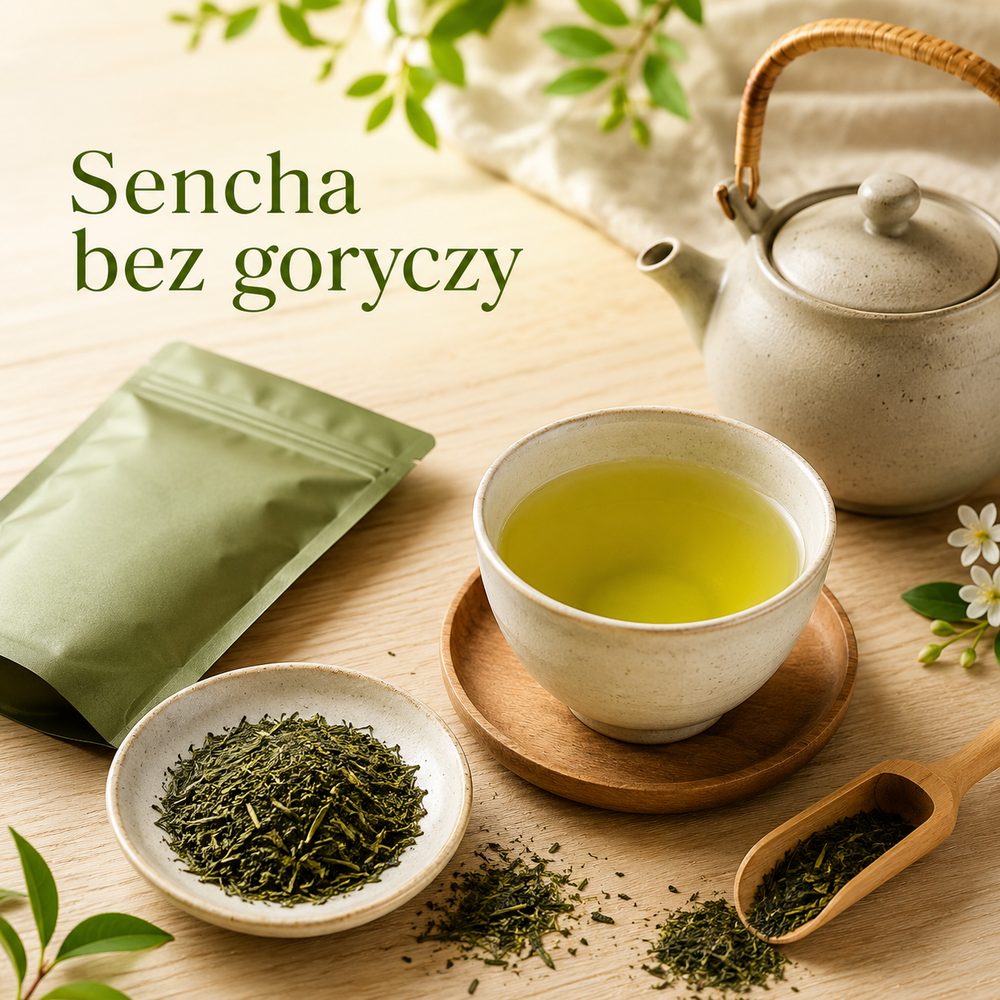
Sencha green tea is one of the most popular teas in Japan and at the same time a great choice for those who want to start their adventure with green tea. It delights with its fresh aroma, light vegetal notes, and a gentle energy boost without the heaviness characteristic of strong coffees.
Sencha is best brewed at a temperature of 70-80°C for about 2-3 minutes. This keeps the infusion fresh, slightly sweet, and free from excessive bitterness. Not only the quality of the leaves is crucial, but also the preparation method.
Key information
- sencha is the most popular Japanese green tea
- taste: fresh, vegetal, slightly oceanic and delicately sweet
- brewing temperature: 70-80°C
- brewing time: 2-3 minutes
- can be brewed 2-3 times
- works well in the morning and at work
- perfect for beginners and intermediate users
What is sencha green tea?
Sencha is a classic Japanese green tea made from leaves that are steamed immediately after harvest. Thanks to this, the leaves retain an intensely green color and a fresh, vegetal aroma.
Unlike many Chinese green teas, which are pan-fired, sencha has a more succulent and fresh character. It is this processing method that is responsible for its recognizable flavor profile.
The best senchas come from Japan, especially from the regions of:
- Shizuoka
- Kagoshima
- Uji
- Kyoto
Good sencha has thin, dark green leaves resembling needles. After brewing, it yields a light green or slightly golden infusion.
👉 Conclusion: sencha is an everyday green tea with a fresh and elegant character.
What does sencha taste like?
The taste of sencha is fresh, slightly grassy and vegetal, but at the same time delicate and pleasantly dry. In high-quality tea, you can also detect:
- umami notes
- fresh greenery
- delicate sweetness
- slightly oceanic accents
Is sencha bitter?
Well-prepared sencha should not be very bitter. Most often, the problem stems from:
- water that is too hot
- brewing for too long
- using too much tea
The higher the quality of the tea, the more harmonious and less aggressive the taste.
What does the taste of sencha depend on?
Taste is influenced by:
- region of origin
- harvest time
- processing method
- brewing temperature
- water quality
Premium senchas are usually creamier and richer in umami. Lighter variants, on the other hand, work well as an everyday tea for work.
👉 If you are just starting your adventure with green tea, a classic Japanese sencha with a mild flavor profile will be a good choice.
How to brew sencha green tea?
Proper brewing is of great importance. Even very good sencha can taste bitter if you use boiling water.
| Element | Recommendation |
|---|---|
| Water temperature | 70-80°C |
| Brewing time | 2-3 minutes |
| Amount of tea | 1 teaspoon per 200 ml |
| Number of brews | 2-3 |
| Type of vessel | teapot or infuser |

Ideal temperature
The biggest mistake is pouring boiling water over sencha. Green tea is delicate and high temperatures quickly extract unpleasant bitterness.
If you don't have a temperature-controlled kettle:
- wait about 5-7 minutes after boiling the water
- pour the water into another vessel before pouring it over the tea
Can sencha be brewed multiple times?
Yes. Good quality sencha is very suitable for multiple infusions.
Second infusion:
- can be sweeter
- has less bitterness
- often shows umami notes more strongly
👉 Conclusion: with sencha, temperature is more important than the brewing time itself.
How to choose a good sencha?
The choice depends primarily on what you expect from the tea.
Sencha for beginners
The best options are:
- milder blends
- less intense profiles
- teas with light freshness
For those just starting their adventure with green tea, classic daily senchas will be a good choice.
Sencha premium
More expensive senchas offer:
- greater flavor depth
- more pronounced umami
- longer, more elegant finish
This is a good choice for those who enjoy tasting tea consciously and pay attention to nuances of aroma.
Loose-leaf or in bags?
Loose-leaf tea:
- provides better taste
- allows for multiple brewing
- offers a fuller aroma
Bags:
- are more convenient
- work well at work
- allow for quick preparation
👉 The best choice depends on whether the ritual or convenience is more important.

Example sencha teas:
Japanese Sencha
A classic Japanese sencha with a fresh and light character. A good choice for those beginning their adventure with green tea.
Best suited for:
- daily drinking
- morning
- at work
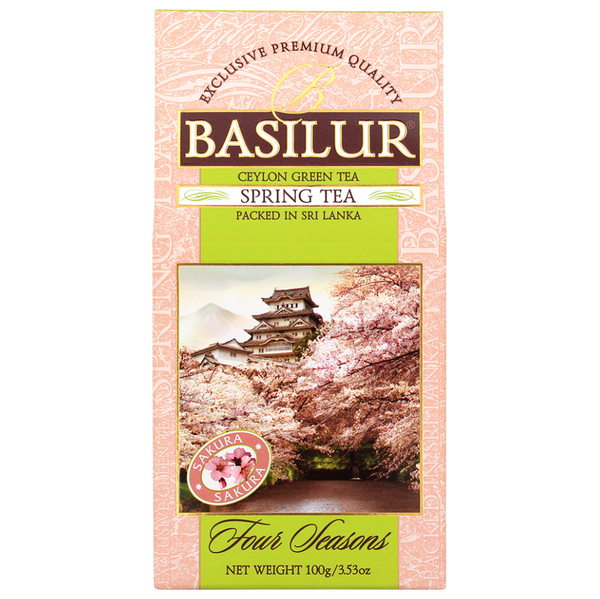
Sencha Sakura
A milder variation with a delicate floral character. Good for those who like more subtle and aromatic compositions.
Sencha Premium
A more sophisticated proposition with stronger umami and a deeper flavor profile.
A good choice:
- for more advanced users
- for relaxed tasting
- as a gift
Japanese green tea set
A great option for those who want to compare different styles of green teas and find their favorite taste.
Common mistakes when brewing sencha
1. Pouring with boiling water
This is the most common problem. Boiling water quickly extracts bitterness and destroys the delicate character of the tea.
2. Brewing for too long
Sencha does not need 5-10 minutes like some black teas. A few minutes is plenty.
3. Too much tea
Excessive leaves make the infusion heavy and astringent.
4. Incorrect storage
Green tea does not like:
- light
- moisture
- high temperature
- contact with intense odors
It is best to store it in an airtight container.
👉 Conclusion: most often the problem is not the quality of the tea, but the preparation method.
Sencha vs other green teas - how does it differ?
| Tea | Taste | Intensity | For whom |
|---|---|---|---|
| Sencha | fresh, vegetal | medium | beginners |
| Matcha | creamy, intense | high | advanced users |
| Gunpowder | stronger, dry | medium/high | lovers of expressive flavors |
| Jasmine green | floral | light | those who like aromatic teas |
Sencha vs matcha
Matcha is more intense and creamy because the whole ground leaves are consumed. Sencha is lighter and more everyday.
Sencha vs Chinese green teas
Chinese green teas tend to be nuttier and roasted. Sencha remains more fresh and vegetal.
When is it best to drink sencha?
Sencha works great:
- in the morning
- at work
- after a light meal
- during a quiet break in the day
Thanks to its natural caffeine content, it provides a gentle energy boost, but usually acts more mildly than coffee.
It is a good tea:
- for a daily ritual
- for people working at a computer
- for lovers of light flavors
👉 Conclusion: sencha is one of the most versatile green teas for everyday use.
Recommended products and accessories
Teas
Accessories
Categories worth checking out
If you are just starting out, it is best to choose a milder sencha and a simple infuser that will make daily brewing easier.
Summary
Sencha is a classic Japanese green tea prized for its freshness, lightness, and versatility. It works well both for beginners and more advanced tea lovers.
Key takeaways:
- brew it at 70-80°C
- avoid boiling water
- choose good quality loose leaf teas
- test different styles of sencha
- take advantage of multiple infusions
If you want to discover the fresh and elegant taste of Japanese green tea, check out the selection of sencha and brewing accessories at sklepzherbatami.pl.