herbata zielona
How to brew green tea so it's not bitter? A simple way to better taste
Green tea doesn't have to be bitter. Learn what temperature and brewing time will give you a delicate, aromatic infusion.
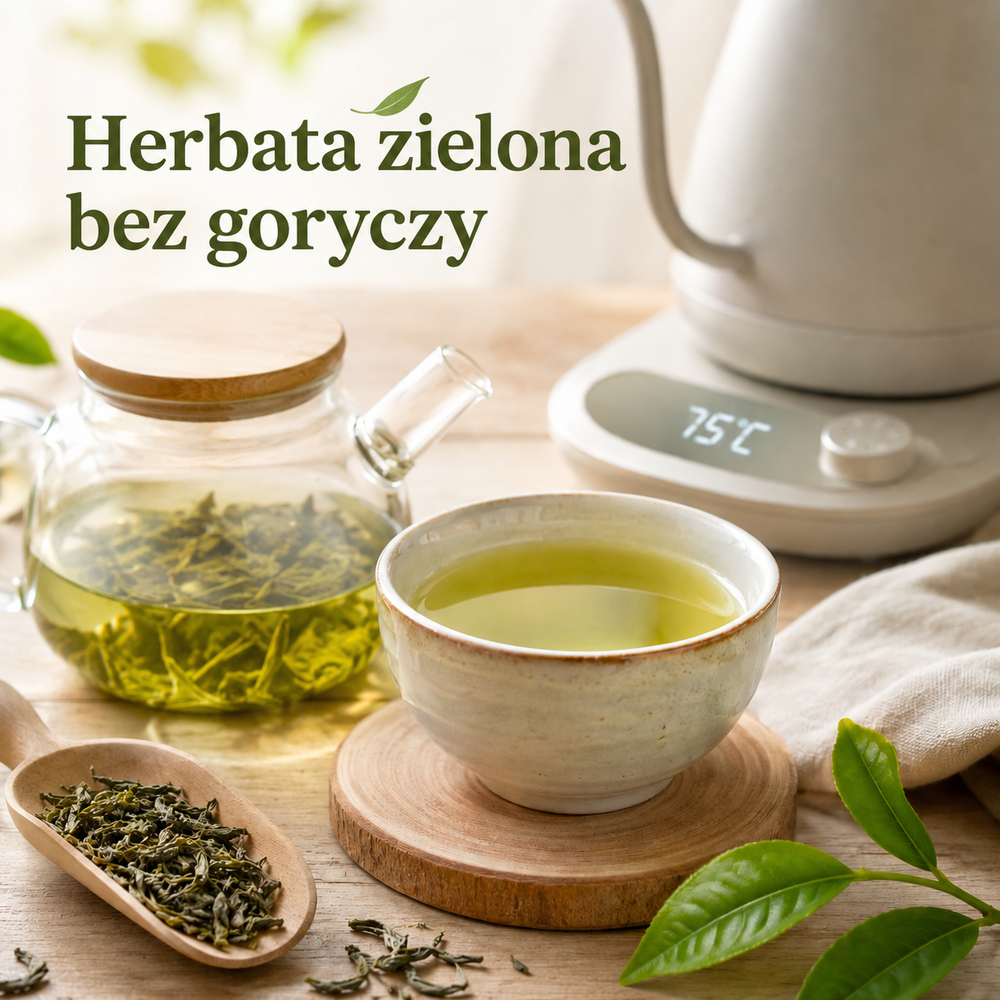
Green tea can captivate with its fresh aroma, delicate sweetness, and light, vegetal character. Unfortunately, after their first few attempts, many people conclude that it is too bitter or astringent. In most cases, however, the problem does not lie with the tea itself, but with how it is prepared.
Green tea is best brewed at a temperature of 70-80°C for about 2-3 minutes. Avoiding boiling water and excessively long steeping times allows you to bring out the natural sweetness and fresh aroma of the leaves without any unpleasant bitterness.
Key information
- brewing temperature: 70-80°C
- brewing time: 2-3 minutes
- amount of tea leaves: 2-3 g per 200 ml of water
- number of infusions: 2-3 infusions from the same leaves
- most common cause of bitterness: boiling water and over-steeping
Why is green tea bitter?
Green tea leaves contain natural compounds responsible for the taste, aroma, and characteristic delicate astringency. When the water temperature is too high or the brewing time is too long, an excessive amount of these compounds is released into the brew.
The result is a drink that, instead of being fresh and light, becomes heavy, astringent, and unpleasantly bitter.
The most common causes of the problem are:
- pouring boiling water (100°C) over the leaves,
- steeping for 5-10 minutes,
- using too many leaves,
- leaving the infuser in the cup,
- low quality of the tea.
👉 Conclusion: most cases of bitter green tea result from errors during brewing, not from the quality of the product itself.

What is the best temperature for brewing green tea?
Temperature has the greatest impact on the taste of the brew.
Most green teas taste best at a temperature of 70-80°C. More delicate Japanese varieties often prefer even 65-75°C, while some Chinese teas work well at 80°C.
How to achieve 70-80°C without a thermometer?
It’s easier than you think.
- Boil the water.
- Open the kettle or pour the water into another vessel.
- Wait about 5-8 minutes.
In most cases, the temperature will drop to a level suitable for green tea.
👉 Conclusion: if you don't have a temperature-controlled kettle, just wait a few minutes after boiling the water.
How long should you brew green tea?
The second key element is time.
For most green teas, the optimal time is:
- 2 minutes for very delicate varieties,
- 2-3 minutes for everyday teas,
- a maximum of 3 minutes for most blends.
The longer the leaves remain in the water, the greater the amount of substances responsible for astringency that end up in the brew.
Can you brew green tea a second time?
Yes.
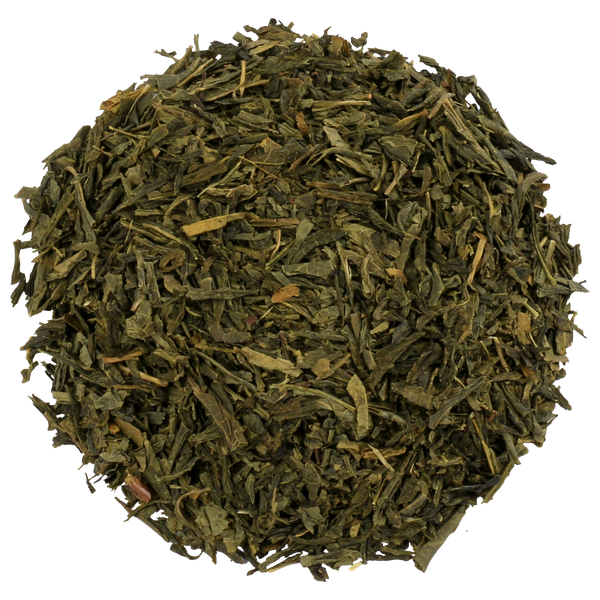
Good loose-leaf green teas can be steeped even 2-3 times. Interestingly, the second infusion is often milder and more balanced than the first.
👉 Conclusion: shorter steeping usually gives a better result than leaving the leaves in the water for too long.
What are the best proportions of tea to water?
Even the right temperature won't help if you use too many tea leaves.
A practical ratio is:
| Amount of water | Amount of tea |
|---|---|
| 200 ml | 2-3 g |
| 500 ml | 5-7 g |
| 1 liter | 10-12 g |
If the tea still seems too intense, it is better to reduce the amount of leaves instead of shortening the brewing time to a minimum.
Which green teas are best for beginners?
Not all green teas taste the same.
Delicate and mild
For those starting their adventure with green tea, good choices are:
- Sencha with a mild profile,
- green tea with jasmine,
- green teas with added fruit,
- high-quality Chinese teas with a light aroma.
More intense
These may require more experience:
- matcha,
- gyokuro,
- intense premium Japanese green teas.
👉 Conclusion: beginners usually find it easier to like milder varieties with a more subtle character.
How to choose a green tea for yourself?
Before buying, it is worth paying attention to a few elements.
If you like a delicate taste
Choose:
- Sencha,
- jasmine green tea,
- fruit blends based on green tea.
If you appreciate an intense aroma
The following will work well:
- matcha,
- gyokuro,
- high-quality Japanese teas.
If you are just starting out
The best choice will be teas that are easy to brew, forgiving of minor mistakes, and do not become bitter quickly.
👉 Conclusion: the best green tea is one that matches your preferences and level of experience.
Most common mistakes when brewing green tea
Using boiling water
The most common cause of bitterness.
Over-steeping
Above 3-4 minutes, the brew usually becomes noticeably more astringent.
Leaving the leaves in the cup
The brew continues to develop and quickly loses its flavor balance.
Using too many leaves
More tea does not mean better taste.
👉 Conclusion: most often the problem is not the tea, but the way it is prepared.

Recommended teas and accessories
See categories
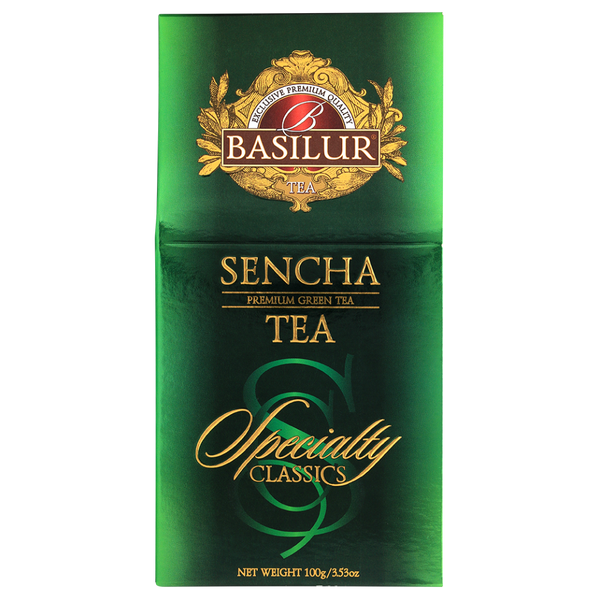
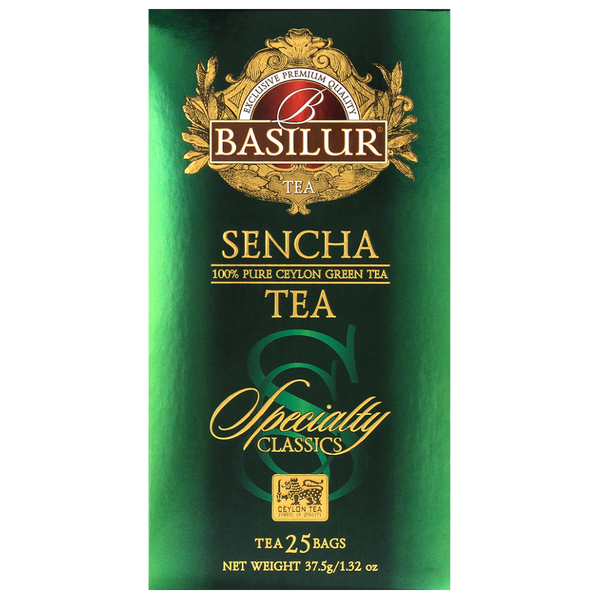
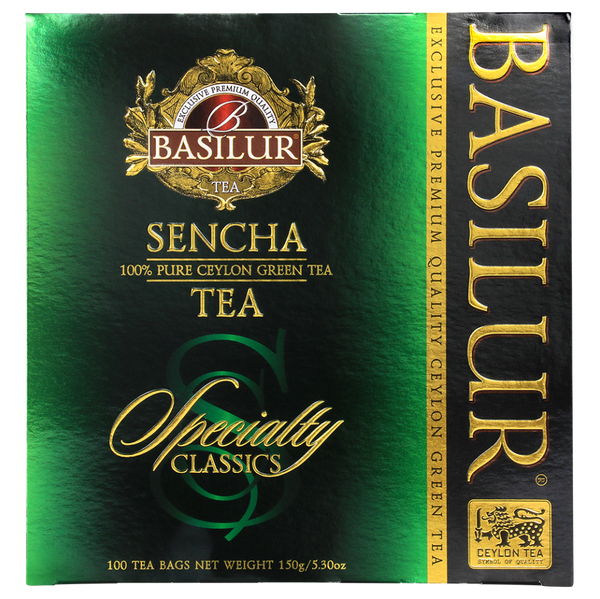
If you don't know where to start, choose a classic Sencha and a simple basket infuser. This is one of the most universal combinations.
Summary
Brewing green tea correctly is not difficult, but it requires following a few rules.
Most importantly:
- use water at 70-80°C,
- brew the tea for 2-3 minutes,
- use the right amount of leaves,
- do not leave the leaves in the brew,
- choose good quality loose-leaf teas.