herbaty cejlońskie
Ceylon vs. Indian Tea: What's the Difference and Which Should You Choose?
What is the difference between Ceylon and Indian tea? Learn about the key differences in taste, origin, intensity, and brewing methods. Find out which tea to choose for daily drinking and which for a quiet tasting session.
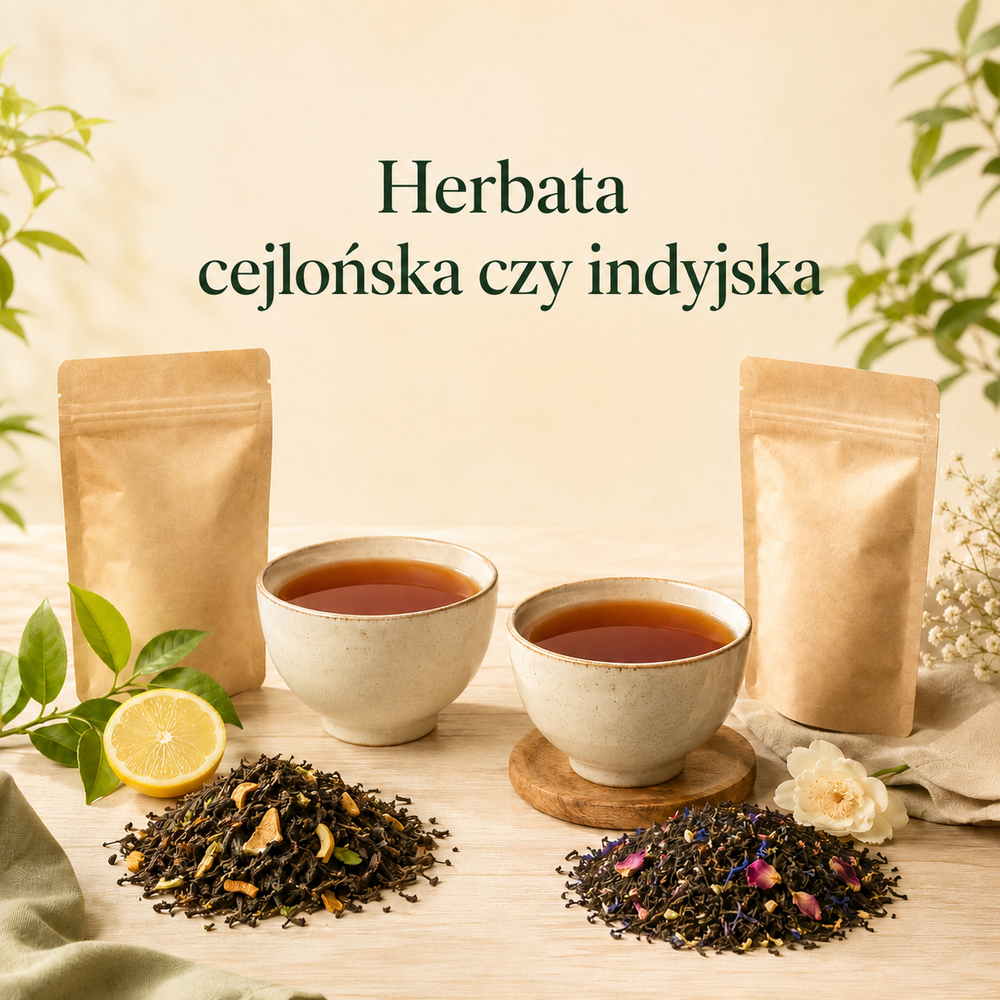
Ceylon tea and Indian tea are among the most recognizable black teas in the world. Both can be excellent choices for daily drinking, but they differ in origin, infusion character, intensity, and flavor profile.
Ceylon tea comes from Sri Lanka and most often has a clean, crisp, slightly citrusy taste. Indian tea comes from India and is more diverse, as its character depends on the region of cultivation. Assam is strong and malty, Darjeeling is delicate and floral, and Nilgiri is fresh and aromatic.
In this guide, we explain how Ceylon tea differs from Indian tea, how both types of tea taste, how to brew them, and which one to choose for daily drinking, breakfast, work, or quiet tasting.
Key information
- Ceylon tea comes from Sri Lanka, formerly known as Ceylon.
- Indian tea comes from India, primarily from the Assam, Darjeeling, and Nilgiri regions.
- Ceylon black tea is usually crisp, clear, and slightly citrusy.
- Indian black tea can be strong, malty, floral, fruity, or fresh.
- Ceylon tea is a good choice for daily drinking.
- To discover regional differences, it is worth choosing Indian tea, especially Assam or Darjeeling.
- The most important difference relates not only to the country of origin but also to the climate, altitude, and leaf processing method.
What is Ceylon tea?
Ceylon tea is tea originating from Sri Lanka. The name "Ceylon" comes from the country's former name. To this day, this term is widely used in the tea world, especially for loose-leaf black teas.
Sri Lanka is famous primarily for black teas with a clean, expressive, and crisp character. The taste of Ceylon tea is influenced by, among other things, the altitude of the plantations, the climate, the harvest time, and the region. Teas from higher-altitude plantations tend to be lighter, more aromatic, and fresher, while those from lower areas can be stronger and fuller-bodied.
Most often, Ceylon tea is associated with a classic, amber infusion. It is a tea that works well for everyday use because it has a distinct taste but is not as heavy as some very strong breakfast teas.
Conclusion: Ceylon tea is a good choice for those looking for a classic black tea with a fresh, clear, and versatile character.
Check out available Ceylon teas - click here.
How does Ceylon tea taste?
Ceylon tea most often has a clean, crisp, and slightly dry taste. Depending on the specific tea, you can sense notes of citrus, honey, flowers, delicate spices, or slightly woody tones.
Typical profile of Ceylon tea:
- infusion color: amber, golden, or copper,
- taste: fresh, clean, slightly dry,
- aroma: classic, tea-like, sometimes citrusy,
- intensity: medium to expressive,
- character: versatile and elegant.
Ceylon tea often goes well with additives. This is why it is often the base for flavored teas, for example with bergamot, fruits, spices, vanilla, or citrus. Its clean profile allows the additives to shine through without being completely lost under their aroma.
For whom is Ceylon tea a good choice?
Ceylon tea will be a good choice for people who like the classic taste of black tea and want an infusion suitable for many occasions. It will work well in the morning, at work, with breakfast, or during a short break during the day.
It is worth choosing Ceylon tea if:
- you are looking for a black tea for daily drinking,
- you like a clear and crisp infusion,
- you do not want a very heavy, strongly malty tea,
- you are choosing tea for a beginner,
- you are looking for a versatile tea as a gift,
- you want a base for tea with lemon, honey, or spices.
Ceylon tea is often a safe choice when we do not know the recipient's preferences exactly. It has a classic character but remains aromatic and elegant.
See the collection of black teas from Ceylon - click here.
What is Indian tea?
Indian tea is tea originating from India. Unlike Ceylon tea, it does not have one dominant flavor profile because India has several very different tea regions. The most famous are Assam, Darjeeling, and Nilgiri.
Each of these regions produces a different style of tea. Assam is famous for strong, full-bodied, and malty teas. Darjeeling is more delicate, more floral, and often described as one of the most elegant black teas. Nilgiri produces fresh, aromatic, and quite versatile infusions.
Therefore, when saying "Indian tea," it is worth specifying the region. It is the region that often says more about the taste than the mere information that the tea comes from India.
Conclusion: Indian tea will be a good choice for people who want to discover different black tea flavor profiles and compare the character of specific regions.
Assam: a strong and malty Indian tea
Assam is a region in northeastern India, known for strong black teas. Assam teas usually have a full, intense, and malty taste. They are often chosen for the morning, for breakfast, or as a base for breakfast-style blends.
A typical Assam produces a dark, full-bodied, and expressive infusion. It may have notes of malt, cocoa, bread, honey, or a slight spiciness. Due to its strength, it goes well with milk, which is why it is a frequent choice for those who like English-style tea.
Assam will be a good choice for people looking for a highly intense black tea.
Try Indian Assam teas - click here.
Darjeeling: a delicate and floral Indian tea
Darjeeling is a region located at the foot of the Himalayas. Teas from this area have a completely different character than Assam. They are usually lighter, more aromatic, floral, and elegant.
Darjeeling often produces a lighter, subtler, and more complex infusion. The taste may feature notes of flowers, fruit, muscatel, light grape, or honey. This is a tea that is worth drinking without milk so as not to mask its delicate nuances.
Darjeeling will be a good choice for people who like tasting teas that are subtle and less obvious than a classic strong black tea.
See Indian Darjeeling teas - click here.
Nilgiri: a fresh and aromatic Indian tea
Nilgiri is a region in southern India. Teas from this area are often fresh, aromatic, and quite versatile. They can resemble some Ceylon teas in character, as they also produce a clean, pleasant, and expressive infusion.
Nilgiri will be a good choice for people looking for an Indian tea who do not necessarily want a very strong Assam or a delicate Darjeeling. It is a good compromise between freshness and expressiveness.
Ceylon vs. Indian tea: key differences
The most important difference between Ceylon and Indian tea concerns origin and flavor profile. Ceylon tea comes from Sri Lanka and usually has a crisper, cleaner, slightly citrusy character. Indian tea comes from India and is strongly dependent on the region of cultivation.
| Feature | Ceylon tea | Indian tea |
|---|---|---|
| Origin | Sri Lanka | India |
| Most famous regions | Nuwara Eliya, Dimbula, Uva, Kandy | Assam, Darjeeling, Nilgiri |
| Typical taste | crisp, clean, slightly citrusy | from strong and malty to floral |
| Intensity | medium to expressive | depends on the region |
| Best for | daily drinking, work, breakfast | tasting, breakfast, discovering regions |
| With milk | sometimes, depending on type | especially Assam |
| For beginners | very good | depends on the region |
| For connoisseurs | good if choosing quality leaves | very good, especially Darjeeling |
Ceylon tea is more predictable and versatile. Indian tea requires a better match for one's preferences, but it also offers greater diversity.
Conclusion: if you are looking for a classic black tea for every day, choose Ceylon tea. If you want to discover specific flavor profiles, choose Indian tea from a specific region.

Which tea is stronger: Ceylon or Indian?
It is impossible to say definitively that Ceylon tea is always stronger or weaker than Indian tea. Everything depends on the specific region, the quality of the leaves, the degree of fragmentation, and the brewing method.
However, it can generally be assumed that:
- Assam is usually stronger than typical Ceylon tea,
- Darjeeling is usually more delicate than Ceylon tea,
- Nilgiri can be similarly fresh and aromatic as Ceylon tea,
- Ceylon black tea most often has medium or clear intensity.
If you care about a really strong, full-bodied infusion, Assam will be a good choice. If you want a daily black tea that is expressive but not very heavy, it is worth reaching for Ceylon tea. If you are looking for a more delicate and elegant tea, choose Darjeeling.
How to brew Ceylon and Indian tea?
Proper brewing has a significant impact on the taste of the tea. Even a good tea can become too astringent if brewed for too long. Conversely, too short a brewing time can make the infusion flat and not very expressive.
How to brew Ceylon tea?
Black Ceylon tea is best brewed with water at a temperature of about 95°C. The standard brewing time is 3 to 4 minutes. If the tea is finely broken, the time can be slightly shortened. If they are larger leaves, it can be brewed a bit longer.
Proportions:
- 2 g of tea per 200 ml of water,
- 3 to 4 minutes of brewing,
- water temperature about 95°C.
Ceylon tea tastes good without additives, but it can also be served with lemon, honey, or a little sugar. In the case of stronger versions, you can also try adding milk.
How to brew Indian tea?
Indian tea should be brewed according to the region. Assam can be brewed more intensely, while Darjeeling requires more caution to avoid extracting too much astringency.
Brewing suggestions:
| Type of Indian tea | Temperature | Brewing time | Character |
|---|---|---|---|
| Assam | about 95°C | 3 to 5 minutes | strong, malty, full-bodied |
| Darjeeling | 90 to 95°C | 2.5 to 4 minutes | delicate, floral, elegant |
| Nilgiri | about 95°C | 3 to 4 minutes | fresh, aromatic, versatile |
Darjeeling requires the most caution. It is a more subtle tea, so brewing it for too long can mask its elegant aroma with excessive astringency.
Conclusion: Ceylon and Indian tea should be brewed like other black teas, but Darjeeling should be treated more delicately than strong Assam.
How to choose Ceylon or Indian tea?
The best choice depends on what taste you like and when you most often drink tea. Not every black tea will work in the same role. We look for a different tea for breakfast, another for quiet tasting, and yet another for a gift.
Choose Ceylon tea if you are looking for a classic
Ceylon tea will be a good choice if you want a versatile tea. It is a good proposal for those who drink black tea regularly and like a clean, crisp infusion.
Choose Ceylon tea if:
- you want a black tea for daily drinking,
- you like a classic taste without being overly heavy,
- you are looking for a tea for work,
- you need a tea as a gift for a beginner,
- you like teas with the addition of fruit, spices, or bergamot,
- you want an infusion that also tastes good with lemon.
Ceylon tea will work especially well when you want a reliable and versatile choice.
Choose Indian tea if you want a specific character
Indian tea will be a better choice if you want to match the infusion very specifically to your taste. India offers strong, delicate, and fresh teas, so it is worth paying attention to the region.
Choose Indian tea if:
- you want a strong tea for breakfast,
- you like the full, malty taste of Assam,
- you are looking for an elegant tea for tasting,
- you want to try Darjeeling,
- you are interested in the differences between regions,
- you are choosing tea for someone who already knows classic black teas.
Indian tea provides greater opportunities for discovering flavors. For beginners, a milder choice, such as Darjeeling or Nilgiri, will be best. For those who like strong infusions, Assam will be a good direction.

Most common mistakes when choosing and brewing
Choosing Ceylon or Indian tea is not difficult, but it is easy to make a few mistakes that affect the taste of the infusion.
1. Assuming that every Indian tea tastes the same
Indian tea can be very strong, but it can also be delicate and floral. Assam and Darjeeling are two completely different styles. Therefore, when choosing, it is worth looking not only at the country of origin but also at the region.
2. Over-brewing Darjeeling
Darjeeling is more subtle than strong breakfast teas. If brewed for too long, it can become excessively astringent. It is best to start with a shorter brewing time and adjust it to your own taste.
3. Choosing a very strong tea as a gift for a beginner
A strong Assam may be great for a lover of intense infusions, but it will not always be the best for someone just getting to know loose-leaf black teas. For a gift, a safer choice may be Ceylon tea or a more delicate Darjeeling.
4. Evaluating tea solely by the country of origin
The country of origin is important, but it does not tell the whole story. The region, type of leaves, freshness of the tea, processing method, and brewing also count. Two teas from the same country can taste completely different.
5. Using too little tea
If the infusion is too weak, the problem is not always the tea. Sometimes it is enough to use the right proportion of tea. For black tea, a good starting point is about 2 g of tea per 200 ml of water.
Conclusion: usually the problem is not the tea itself, but a mismatch between the type of tea and expectations or an improper brewing method.
Recommended teas and accessories
If you want to compare Ceylon and Indian tea in practice, it is best to choose one representative tea from each country. Thanks to this, you will easily notice the differences between the crispness of Ceylon and the regional character of India.
Teas worth checking out
Basilur Orient Delight black tea refill 100 g
A good choice for those looking for a classic black Ceylon tea without additives. It will work well for daily drinking, at work, and as a versatile loose-leaf tea.
Basilur Darjeeling black tea refill 100 g
A proposal for people who want to know the more delicate side of Indian black tea. Darjeeling will be good for quiet tasting, especially without milk and intense additives.
English Breakfast black tea
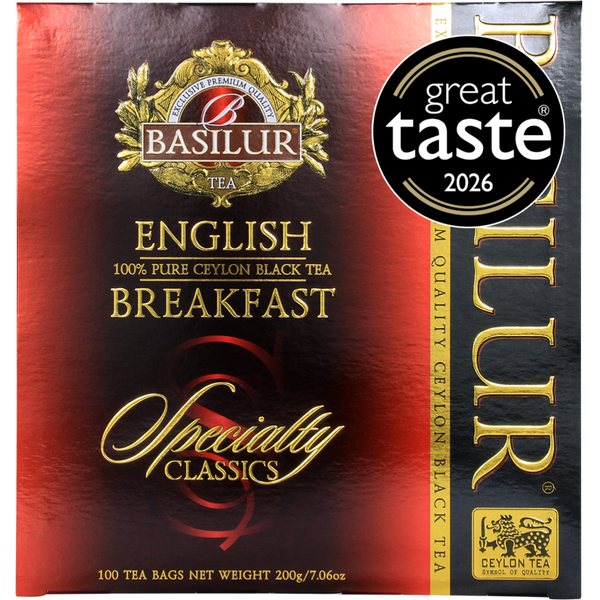
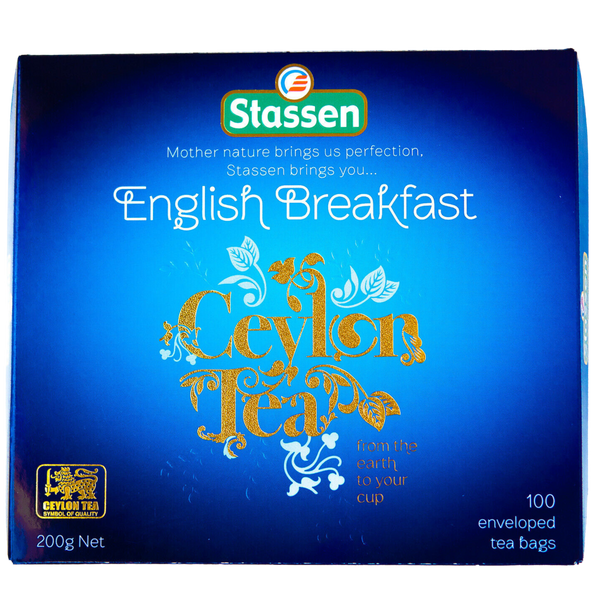
A good choice for people who like a stronger infusion in the morning. These types of teas often have a fuller character and work well for breakfast.
Infuser or teapot with an infuser
For loose leaf teas, convenient accessories are of great importance. An infuser, steeper, or teapot with a strainer allows you to easily control the brewing time and separate the leaves from the infusion.
If you don't know where to start, choose one classic Ceylon tea and one Indian Darjeeling or Assam tea. Such a comparison best shows the difference between a fresh, everyday profile and a more regional character of tea.
Summary
Ceylon tea and Indian tea differ primarily in their origin, growing climate, and flavor profile. Ceylon tea comes from Sri Lanka and is usually crisp, clean, slightly citrusy, and versatile. Indian tea comes from India and has a more diverse character, depending on the region.
The most important differences:
- Ceylon tea is usually more versatile,
- Indian tea is more regionally diverse,
- Assam is strong and malty,
- Darjeeling is delicate, floral, and elegant,
- Nilgiri is fresh and aromatic,
- the choice depends on your preferred taste and the occasion.
If you are looking for an everyday tea, black Ceylon tea is a good choice. If you want to explore the differences between regions and more complex flavor profiles, reach for Indian tea.
Check out our range of black loose leaf teas and choose an infusion that fits your tea-drinking ritual.